

Those who have read my previous book, Beatrice B. Goode, know that I have an affection for the Chinese culture. Especially their foods and secret herbs. You’ll also note that most of my recipes are fairly quick and easy to prepare. That is what I strive for as long as great taste doesn’t suffer.
Ingredients:
1 lb. Pork
3 ribs Celery
1 medium Onion
1 can Chinese vegetables (28 oz.)
1 can Bean sprouts (14.5 oz.)
10-12 medium Mushrooms
1 packet Brown gravy mix or Dry beef and onion soup mix
½ cup Brown sugar
Soy sauce
Olive oil
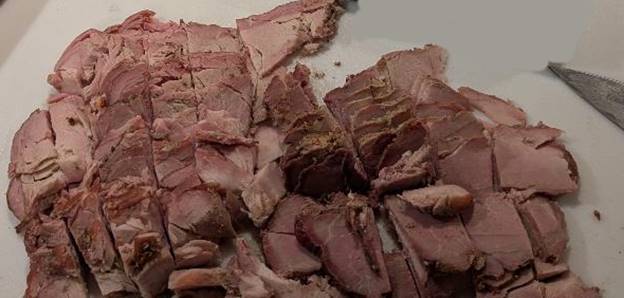
One of the great things about chop suey is that it accepts leftovers very well without sacrificing taste. In this case, I had a couple of pieces of pork tenderloin leftover from my previously posted “Grilled Pork Tenderloin” recipe. But any pork will work. I sometimes use cooked country ribs. I planned on shredding the meat with a couple of forks to make it like pulled pork, but the meat was cold from being in the fridge and didn’t cooperate very well, so I opted to take an easier route and thinly slice it instead.
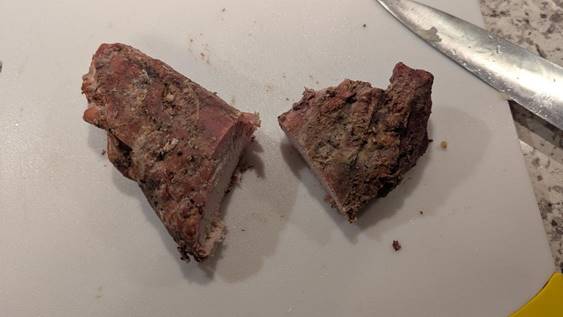
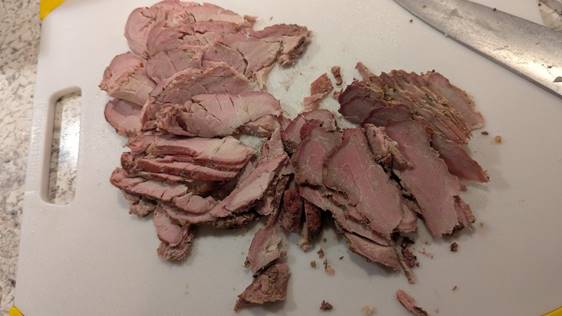
I set the meat aside to let it warm up to room temperature while chopping up the celery and onions. I hope you can see that I diagonally sliced the celery. That makes it look more Asian. It may also help with the tenderness.
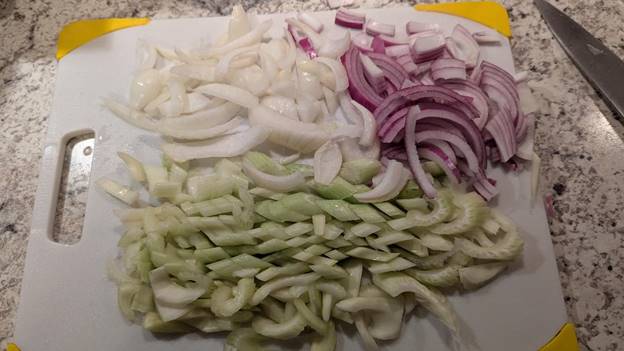
For most recipes, I would sauté the celery and onions in a skillet, but for chop suey, I like to sauté them right in the soup pot, making this a one-pot meal. Just add a little olive oil and sauté lightly, keeping in mind that they will continue to cook after adding the meats and veggies.
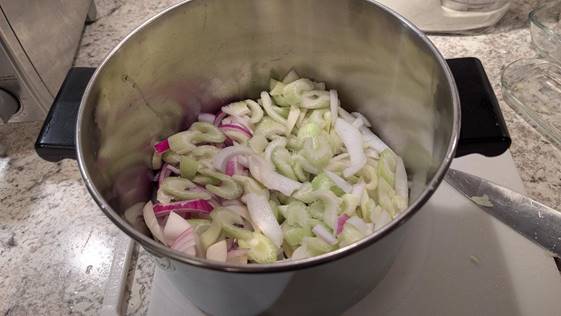
Sometimes I buy canned Chinese vegetables, but the store was out of them today, so I bought frozen veggies instead. The beauty of this recipe is that it will turn out great either way. You can’t really screw this up! Next, add the frozen veggies and sort of stir-fry them in with the celery and onions. Because they are frozen, they will release some liquid while simmering, which is good because you want this dish to be a little bit juicy when done. After the Veggies are tender, add the mushrooms and bean sprouts and continue to simmer.
While the pot is simmering, it’s time to mix the sauce. One of the major Chinese food companies used to make little bottles of delicious brown gravy sauce, but I can no longer find it in the stores, so I think they stopped making it. As a replacement, I sometimes use a packet of dry beef and onion soup mix, along with a couple of beef bouillon cubes. Or any brown gravy mix will work. Don’t be afraid to experiment and taste test.
Pour some brown sugar into a bowl and add a packet of dry beef and onion soup mix or brown gravy mix. Stir it up till mixed together thoroughly and then add enough soy sauce to turn the mixture into a thick but pourable liquid paste. Everyone wants to know how much? I don’t know because I don’t measure anything. Just mix it up and taste it. Adjust as needed. I know, it’s a trial-and-error learning process, but you’ll catch onto with time. My rule of thumb is moderation. Too little is better than too much. Don’t worry, it’s not going to taste bad. It ’ll either be good or great! As I said earlier, you can’t screw this up. Use my pictures as a guide.
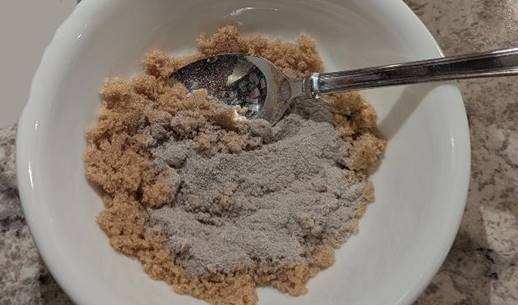
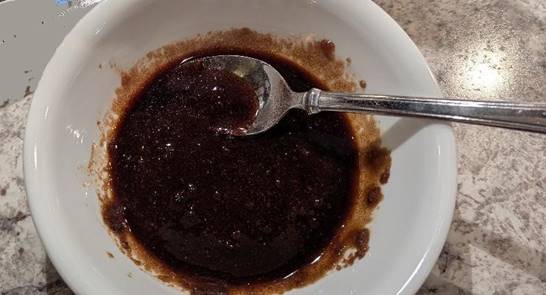
Pour most of the mixture over the meat to thoroughly coat it. Then add the meat and the remaining sauce to the simmering pot. Stir well.
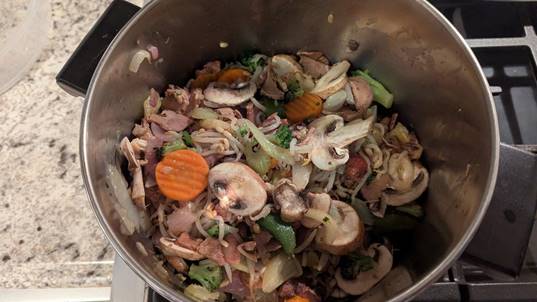
The sauce should blend with the juices that were in the pot. Remember, you want this to be on the juicy side, but not soupy. You can add a little bit of water if needed. Continue to simmer until the meat is hot.
And then suddenly it’s done!
I prefer to serve this over Chow Mein noodles rather than rice, but either will work. It’s just a personal preference.
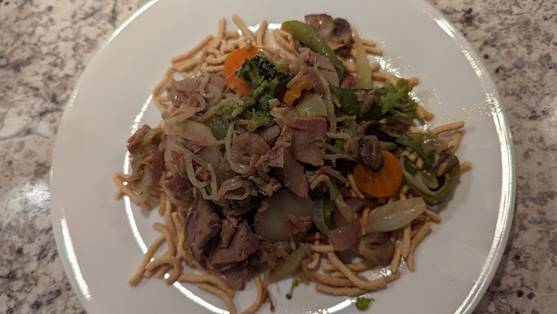
Here’s a secret tip for measuring the success of a recipe. If your guests don’t ask for the saltshaker or the bottle of soy sauce, and they don’t add any other seasonings to their plate (not that there’s anything wrong with that), then you nailed it! Especially if they go back for seconds. It doesn’t always happen, but this time, this one turned out to be one of those kinds of recipes! Delicious!
Enjoy!
Beatrice’s Pictorial Cookbook Extraordinaire is available here:
Beatrice B. Cookin’
Note: The pages linked below are still under construction and temporarily password protected.
 Robert Kuhn